
UI/UX Wireframing
Wireframes and prototypes that map out user flow and structure before a single pixel of visual design begins.
Get a Free UI/UX Wireframing QuoteWhat ui/ux wireframing actually involves
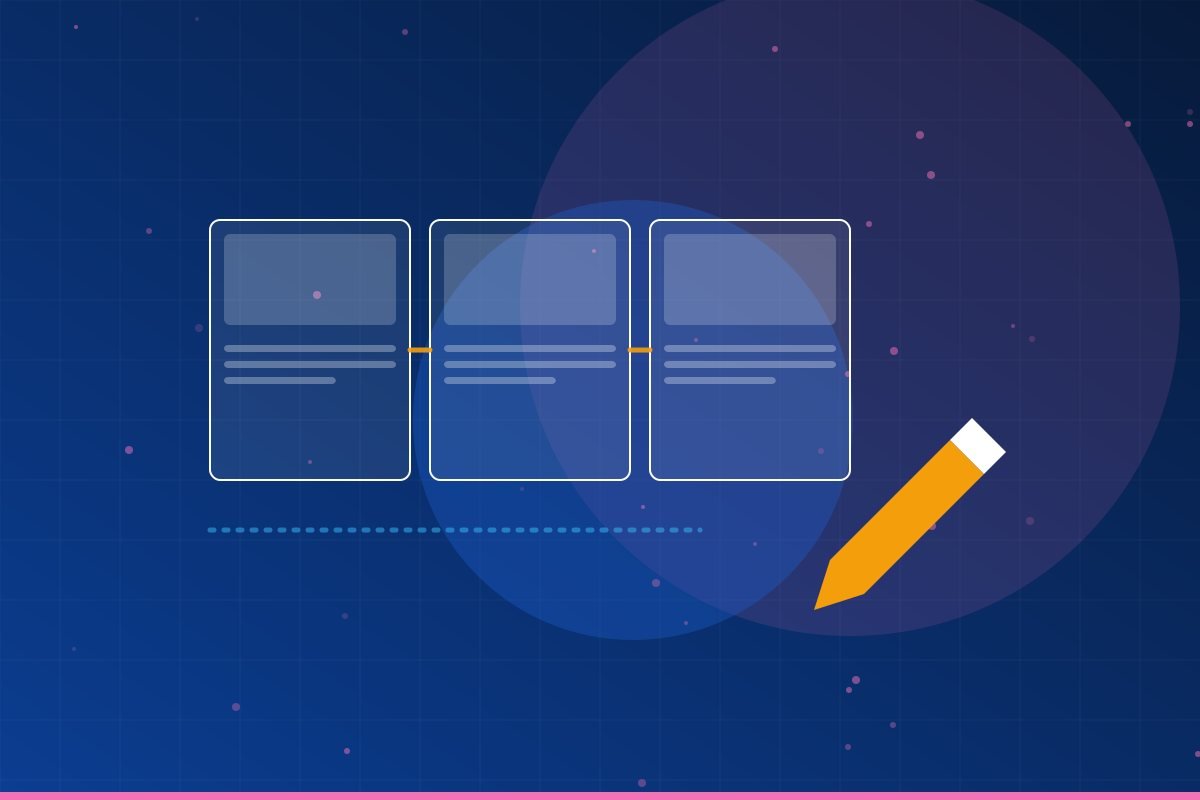
Wireframing is the process of mapping a page or application's structure and user flow before any visual design begins — a deliberately unpolished blueprint focused entirely on what goes where, what a user does at each step, and whether the overall flow actually makes sense.
Skipping this step is one of the most common reasons design projects run into costly rework — a beautiful design built on a flawed structure is still flawed, and by the time that becomes obvious, changing it costs far more than it would have at the wireframe stage.
How we approach ui/ux wireframing
User flow mapping
Before wireframing individual pages, we map the full user flow — every step a visitor takes from arrival to conversion, including decision points and potential drop-off points — so the wireframes that follow are grounded in real user behavior.
This is especially important for multi-step processes like checkout or onboarding, where sequence and information architecture matter as much as any individual screen.
Low-fidelity to high-fidelity wireframes
We typically start with low-fidelity wireframes — simple boxes and labels — to nail down structure and flow quickly, then progress to higher-fidelity wireframes that specify exact content, spacing, and interaction behavior.
This staged approach catches structural problems while they're still cheap to fix.
Content-first design approach
Wireframes get built around real content and copy wherever possible, not placeholder text, since a layout that looks clean with dummy text often breaks down once real content of a different length gets dropped in.
Usability validation
Wireframes get reviewed against usability principles and, where scope allows, tested with real users before moving into visual design — catching confusing navigation at the cheapest possible stage to fix it.
What working with us looks like
Step 1 of 4 — Discovery
We learn your users, their goals, and the key actions the page or application needs to support.
UI/UX Wireframing in practice
SaaS company redesigning their onboarding flow
Challenge: A multi-step signup and onboarding process with a high drop-off rate at an unclear step, with no clear diagnosis of why.
Approach: A full user flow mapping exercise combined with wireframing of a simplified onboarding sequence, reducing required steps and clarifying what each step asked.
Result: The wireframed flow, once built and launched, showed a measurable improvement in onboarding completion rate compared to the original.
Professional services firm planning a website redesign
Challenge: Wanted a redesign but had internal disagreement about site structure and homepage priorities.
Approach: A wireframing phase mapping several homepage structure options with real content, used as a concrete basis for internal discussion.
Result: The wireframing process surfaced and resolved structural disagreements before any visual design work began, avoiding costly rework later.
Common questions about ui/ux wireframing
- Do we need wireframes if we already have a design direction in mind?
- Wireframing is still valuable, since it validates structure and flow independently of visual style — a great-looking design built on a flawed structure is still flawed.
- How long does wireframing take?
- It depends on scope — a single landing page might take a few days, while a full multi-page site takes longer. We'll estimate this during discovery.
- Do you test wireframes with real users?
- Where project scope allows, yes — usability testing at the wireframe stage catches problems at the cheapest possible point to fix them.
- Can wireframing work be reused across projects?
- Validated user flows and structural patterns often can be, particularly for businesses building multiple related pages or features.
Services that pair well with ui/ux wireframing
Landing Page Design
Fast, focused landing pages built around a single campaign or offer, optimized to convert rather than inform.
ExploreCustom Web Apps
Bespoke web applications and internal tools built to fit your exact process, not bent to match an off-the-shelf platform.
ExploreWordPress Development
Custom WordPress builds and theme development — fast, secure, and easy for your team to update without touching code.
Explore
Ready to see what this looks like for your business?
Book a free 30-minute consultation — no pitch deck, just a conversation about where automation would actually help.
Book a Free Consultation